
| Tel | -- |
|---|---|
| Fax | 14-3345-29752 |
In the intricate world of shipping and logistics, container dimensions play an important function in determining performance and cost-effectiveness. Among the numerous sizes available, the 45-foot container sticks out for its adaptability and capacity. This detailed guide will look into the features, advantages, uses, and requirements of 45-foot containers, while likewise dealing with frequently asked concerns.
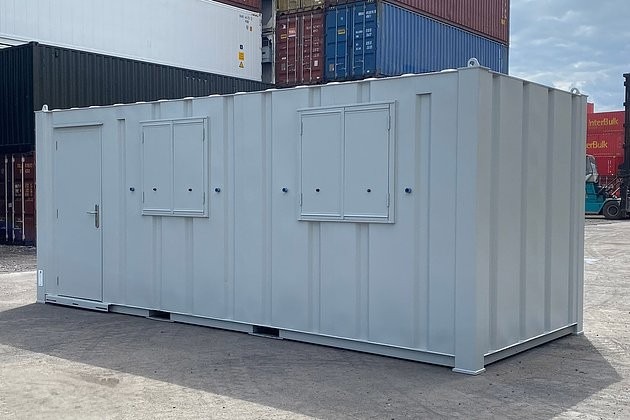
A 45-foot container is a shipping container developed for transporting products over cross countries. Typically made from 45ft Steel Containers, these containers are developed to withstand harsh ecological conditions while providing a safe and secure and roomy environment for cargo. The increase in popularity of this size can be credited to its adequate interior area compared to the more traditional 20-foot and 40-foot containers.
| Requirements | Measured Value |
|---|---|
| External Length | 13.7 meters (45 ft) |
| External Width | 2.44 meters (8 ft) |
| External Height | 2.59 meters (8.6 ft) |
| Internal Length | 13.5 meters (44.5 ft) |
| Internal Width | 2.35 meters (7.7 ft) |
| Internal Height | 2.39 meters (7.9 ft) |
| Maximum Payload | Up to 30,480 kg (67,200 lbs) |
| Volume Capacity | 76.4 cubic meters (2,703 cubic feet) |
The dimensions of 45-foot containers can differ a little based upon the producer, however these specifications normally remain consistent across standard designs.
Among the main advantages of utilizing a 45-foot container is the extra area it uses. With around 33% more room than a standard 40-foot container, carriers can maximize their payload, which equates to greater performance for each delivery.
While the upfront rental or purchase expense may be higher, the extra capacity can lead to lower shipping costs per system. Companies can optimize their freight logistics by transporting more items per journey, reducing the frequency of shipments.
45 Ft Containers For Sale-foot containers are extremely versatile and can accommodate a vast array of products, from jam-packed furniture to bulk items and cooled cargo. This flexibility makes them appropriate for various markets, including retail, manufacturing, and agriculture.
These containers are designed with strong locking mechanisms and are made from long lasting materials, providing robust defense for shipments. This enhances security and reduces the risk of theft or damage throughout transport.
Due to their prevalent usage, 45-foot containers are readily offered for lease or purchase around the world, making them an accessible option for importers and exporters alike.
Here are some popular applications of 45 Foot Container-foot containers:
Despite their lots of benefits, it's vital to think about potential restrictions when using or renting 45-foot containers:
While 45-foot containers are extensively Used 45 Ft Container For Sale around the world, they might not be as readily available in certain locations compared to standard sizes like 20 or 40 feet.
The bigger size may provide logistical difficulties in terms of managing and maneuverability. It's vital for businesses to make sure that their centers and transport approaches are equipped to handle these containers successfully.
Depending on the port and particular guidelines, weight limits may affect how effectively a 45-foot container can be filled, particularly for much heavier products.
A standard empty 45-foot container generally weighes around 3,900 kg (8,598 lbs).
You can fit around 76.4 cubic meters of cargo, which might consist of anything from machinery to pallets of products.
Rental expenses differ substantially based on location, duration, and the kind of container needed, but usually range from ₤ 100 to ₤ 300 per month.
No, 45-foot containers are designed for maritime shipping and are not suitable for air transport due to their size and weight.
Yes, it is important to stick to weight constraints and circulation guidelines to ensure safety and compliance during transport.
45-foot containers offer a wealth of benefits for companies aiming to optimize their shipping procedures. Whether in retail, farming, or production, these containers provide ample space, boosted security, and flexibility. While they include some constraints, their benefits normally outweigh the downsides. With an understanding of this 45ft Storage Container type, services can make tactical choices to improve their logistics and improve their bottom line.